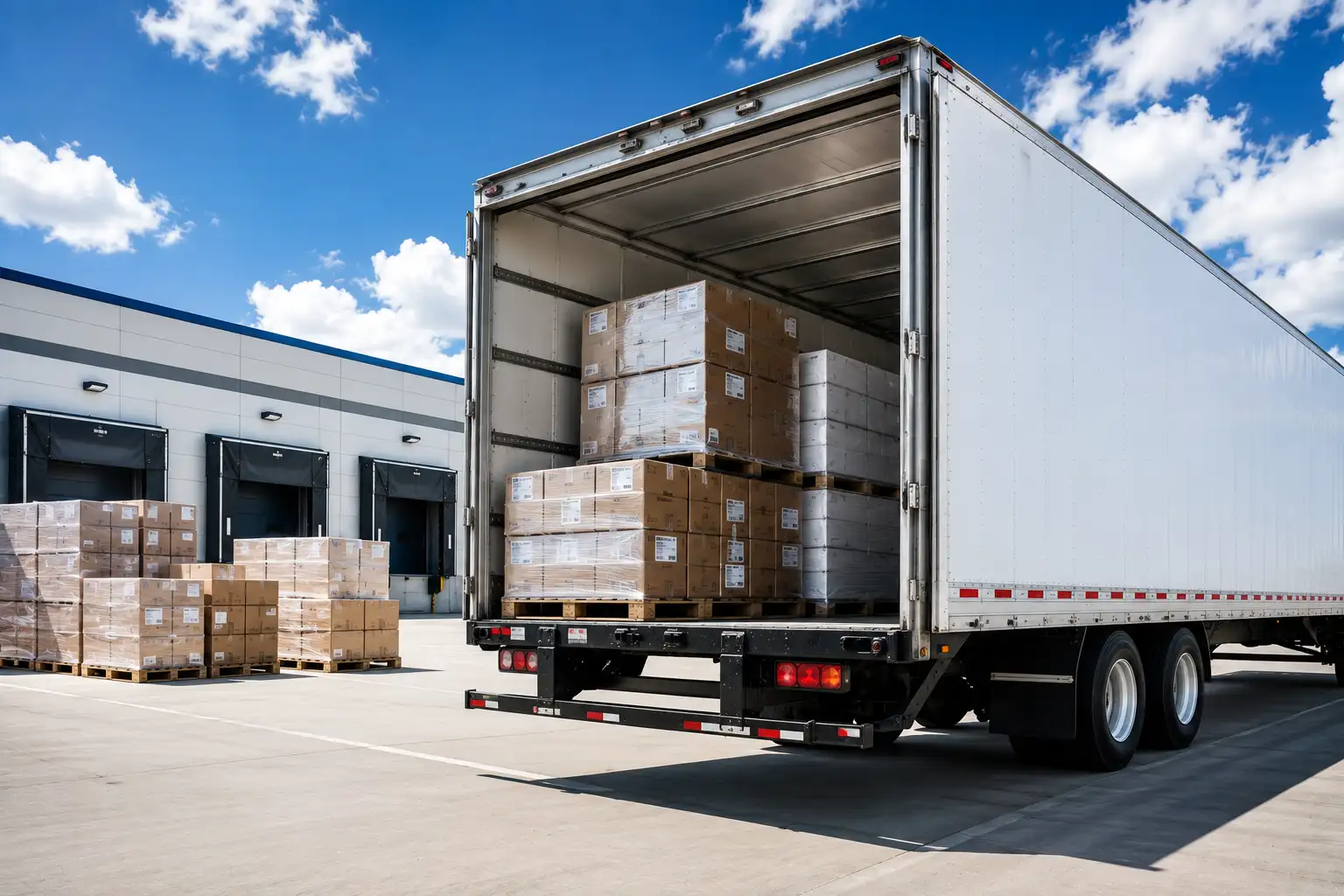
Cost-effective LTL supportfor smaller shipments.
Less-than-truckload freight support for smaller volumes, optimized routing, and flexible shipment needs across regional and national lanes.
Overview
What is LTL Freight?
LTL freight, or less-than-truckload freight, is built for shipments that do not require an entire trailer. Instead of overbuying full truckload capacity, shippers can move smaller palletized freight through a more practical transportation plan.
Mile Truck supports LTL freight by reviewing shipment size, weight, origin, destination, timing, handling requirements, and delivery constraints before matching the move to the right option. Smaller freight still needs strong coordination, especially when appointments, dock access, or customer commitments matter.
Whether you are moving a few pallets, supplementing a larger distribution program, or trying to control transportation cost on partial shipments, LTL support gives your team a flexible path without losing visibility or accountability.
Service Features
What's included with LTL Freight service
Partial Shipment Support
Practical freight options for palletized shipments, smaller volumes, and cargo that does not require a full trailer.
Shipment Fit Review
Review of pallet count, dimensions, weight, commodity, pickup timing, delivery needs, and handling constraints.
Optimized Routing
Movement planning focused on matching shipment size, transit expectations, and delivery requirements to a cost-effective option.
Live Dispatch Support
Clear communication for pickup status, schedule changes, delivery updates, and exceptions throughout the shipment.
FMCSA Compliance
Compliant carrier coordination with proper documentation, insurance, qualified drivers, and freight handling standards.
Flexible Freight Planning
Support for one-time smaller shipments, recurring partial freight, regional moves, and mixed-volume shipper needs.
Use Cases
Who uses LTL Freight?
Small Palletized Shipments
Freight that is too large for parcel but does not justify a full truckload, including boxed goods, parts, supplies, and packaged products.
Regional Distribution
Smaller warehouse-to-customer, warehouse-to-warehouse, or branch replenishment moves across regional and national lanes.
Cost-Controlled Freight
Shipments where buying a full trailer would create unnecessary cost, unused capacity, or inefficient equipment utilization.
Flexible Volume Programs
Support for businesses whose shipment size changes week to week and needs options beyond standard full truckload service.
Process
How it works
01
Share freight dimensions
Provide pallet count, weight, origin, destination, and timing.
02
Match movement options
Review the right path for smaller-volume freight.
03
Coordinate delivery
Keep pickup, transit, and delivery details organized.
Why Mile Truck
The Mile Truck difference
Right-sized freight planning
We look at dimensions, weight, timing, and delivery needs before recommending the most practical movement path.
Communication for smaller loads too
Partial shipments still affect customer commitments. We keep pickup, transit, and delivery details visible.
Less wasted trailer capacity
LTL support helps control freight spend when shipment volume does not justify booking a dedicated full truckload.
Built around delivery requirements
Dock hours, access notes, appointment needs, and shipment handling details are part of the plan from the start.
LTL Freight
Have freight that does not need a full truck?
Share pallet count, dimensions, and timing to review LTL support.